

Western Australia's summers are among the hottest in the country. When ambient temperatures regularly exceed 35°C — and frequently push past 40°C in Perth, the Pilbara, and inland regions — every stage of the refrigerated supply chain faces elevated risk. For businesses that move perishable goods across WA, summer isn't just a season; it's a logistics challenge that demands preparation.
How Summer Heat Affects Refrigerated Transport
Refrigeration units are designed to maintain temperature, not rapidly cool down warm cargo. When outside temperatures climb, several factors compound:
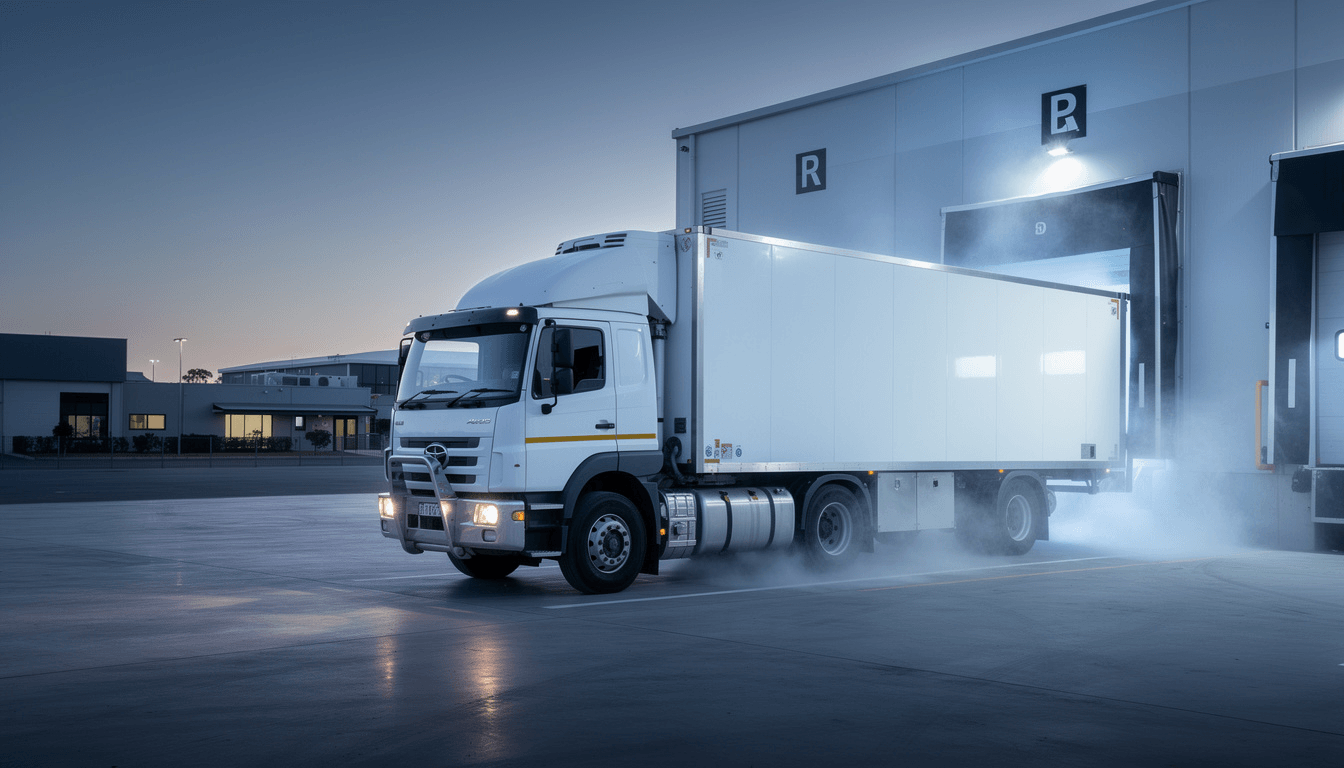
- Loading and unloading exposure — every second a vehicle's doors are open, warm ambient air floods in. In summer, even a brief dock stop can raise internal temperatures significantly.
- Vehicle surface heat — a truck parked in direct sunlight absorbs enormous radiant heat through its panels and roof, forcing the refrigeration unit to work harder.
- Longer regional routes — a delivery from Perth to Geraldton (420 km) or Kalgoorlie (600 km) means hours of exposure to extreme heat, with limited opportunity to stop and verify conditions.
- Compressor strain — refrigeration compressors running continuously in high ambient temperatures consume more fuel and are more prone to mechanical failure if not properly maintained.
In short, everything that works fine in autumn or winter becomes harder in a WA summer.
Products Most at Risk in Hot Weather
Some goods are more vulnerable to heat exposure than others:
- Dairy — milk, cream, yoghurt, and soft cheeses spoil rapidly above 4°C
- Seafood — fresh fish and shellfish are extremely temperature-sensitive and can become unsafe within hours
- Fresh produce — leafy greens, berries, and cut fruits wilt and deteriorate quickly in heat
- Pharmaceuticals — many medications and vaccines require strict 2–8°C storage, with no tolerance for excursions
- Frozen goods — products stored at -18°C begin thawing fast in a compromised environment, and refreezing damages quality
If your business handles any of these categories, summer cold chain planning is non-negotiable.
Best Practices for Summer Cold Chain Delivery
Pre-Cool Everything
Never load warm or room-temperature goods into a refrigerated vehicle expecting the unit to bring them down to spec. Pre-cool your products in cold storage before loading, and pre-cool the vehicle itself before opening the doors.
Minimise Door-Open Time
Plan your loading sequence so goods are staged and ready to move. The less time the vehicle doors are open at the dock, the less heat enters the cargo area. This is especially critical for multi-drop deliveries where doors open repeatedly throughout the route.
Schedule Around the Heat
Where possible, shift pickup and delivery windows to early morning or late evening. A 5 AM dispatch avoids the worst of the day's heat entirely. Bluesharks24H operates 24/7, so early-morning and overnight runs are standard for us — not a special request.
Monitor Temperatures Continuously
Digital temperature logging isn't just a compliance requirement — it's your early warning system. If a refrigeration unit is struggling or a door seal is compromised, real-time data lets you catch it before product loss occurs.
Maintain Your Fleet Rigorously
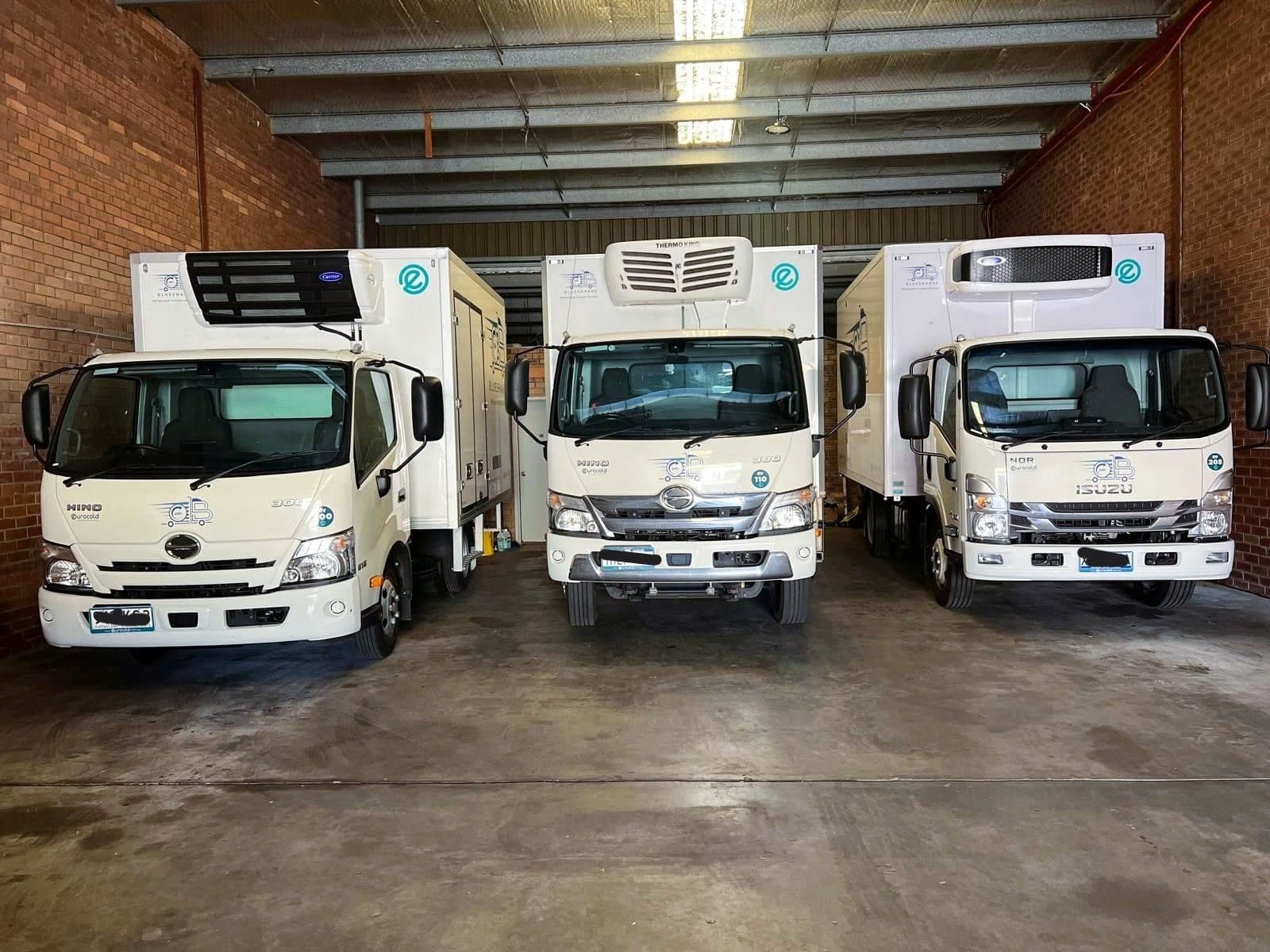
Summer is when poorly maintained refrigeration units fail. Compressors, condensers, door seals, and insulation all need to be in peak condition before the season starts. At Bluesharks24H, every vehicle in our fleet undergoes regular maintenance to ensure reliable performance in WA's most demanding conditions.
When to Use Emergency or Same-Day Dispatch
Summer creates more supply chain disruptions — a broken-down delivery vehicle, a spoiled shipment that needs replacing, or a sudden spike in demand during a heatwave. When your regular schedule can't absorb the shock, emergency refrigerated transport gets replacement stock moving immediately.
Our same-day service is also heavily used during summer by Perth restaurants and retailers who need rapid restocks when consumption outpaces forecasts.
Why Fleet Quality Matters in WA's Climate
Not all refrigerated vehicles are built the same. Older units with worn insulation, ageing compressors, and degraded door seals simply cannot maintain temperature integrity during a 40°C Perth afternoon — let alone a multi-hour regional run through inland WA.
Bluesharks24H's fleet is maintained to handle Western Australia's climate year-round. Our vehicles range from nimble refrigerated utes for metro last-mile work to semi-trailers for high-volume distribution, all equipped with commercial-grade refrigeration and digital temperature logging. We cover Perth and all major regional areas across the state.
Partner with an HACCP-Certified Operator
Summer amplifies every weakness in your cold chain. Working with an HACCP-certified transport provider means your deliveries are backed by documented food safety processes — not just a promise that the fridge was on.
At Bluesharks24H, our certification covers every delivery we make, every vehicle in our fleet, and every driver on our team. When the temperature outside climbs, the temperature inside our vehicles stays exactly where it should be.